Workflow Discovery
Map the current process, participants, systems, decisions and exceptions before determining which steps are suitable for automation and which should remain human-led.
Design connected workflows that handle repeatable tasks, use AI where judgement is genuinely helpful and keep permissions, exceptions and important decisions under accountable human control.
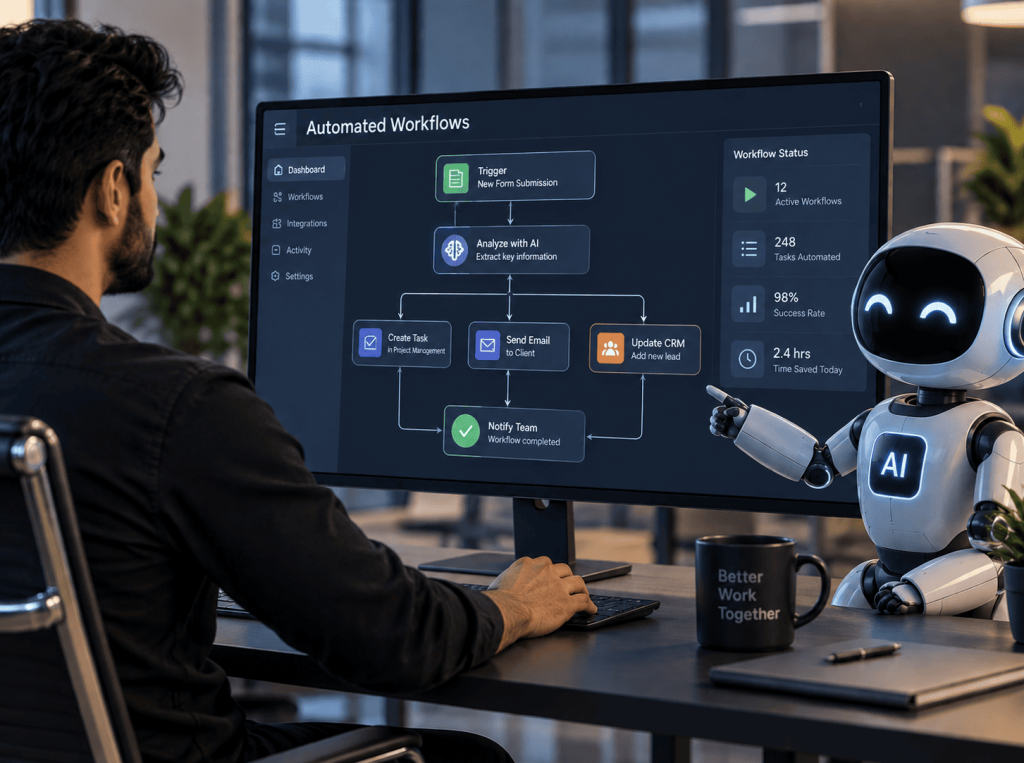
Automation can move information, apply agreed rules, coordinate systems and prompt the right person when attention is required. Agentic AI extends this capability where a workflow needs to interpret information, select between permitted actions or respond to changing context. The objective is not unrestricted autonomy. It is a controlled operating process with defined inputs, permissions, review points, exception routes and accountable owners. Pollysys designs workflows around the systems and responsibilities already present in your organisation. Where fixed rules are sufficient, straightforward automation may be preferable. Where AI adds useful judgement, it can be introduced within clear boundaries and tested before wider use.
WHY POLLYSYS?
Start by understanding the process, its exceptions and responsible owners before deciding how much automation is appropriate.
FROM REPETITION TO CONSISTENCY
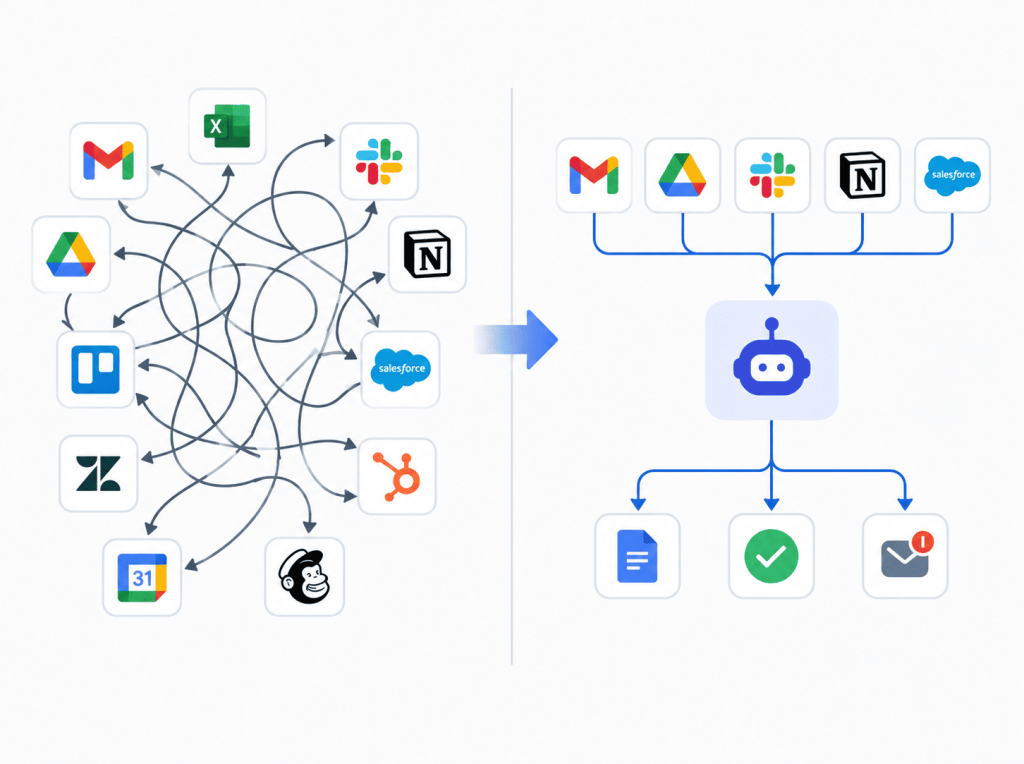
Suitable workflows often involve repeatable steps, structured information and clear routing rules. Pollysys maps how the work currently moves, identifies exceptions and then determines what can be automated without hiding responsibility or weakening essential checks.
CONTROLLED AGENTIC WORKFLOWS
Some processes require interpretation rather than fixed rules alone. An agentic workflow may classify a request, extract relevant details, select an approved next step or prepare a response. Its authority should remain limited, observable and appropriate to the consequences of each action.
OUR APPROACH
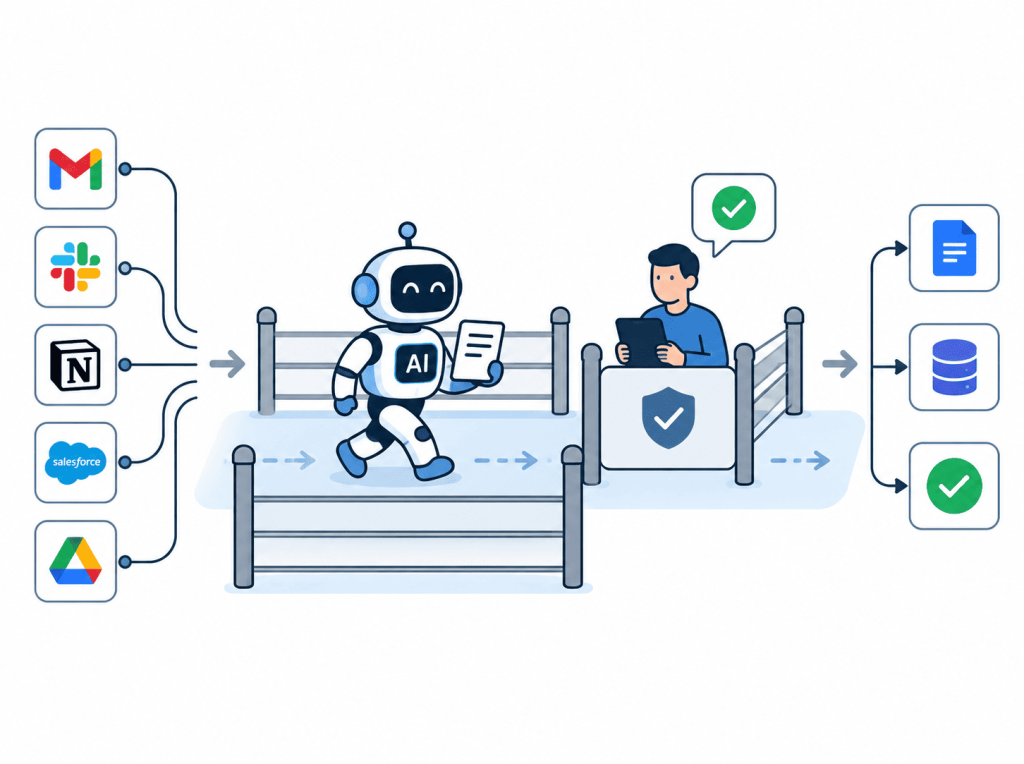
Controlled automation begins with a clear understanding of the work, the information involved and the consequences of each action. Pollysys maps the existing process before deciding whether fixed rules, AI-assisted steps or an agentic workflow provide the most appropriate approach. Each design defines permissions, decision boundaries, human-review points and exception routes from the outset. Tools are then selected according to the task, existing systems and operational requirements—helping automation remain understandable, accountable and manageable as its use develops.
The design reflects the task and its consequences. A fixed-rule automation may be preferable to an AI agent when the steps are predictable. Additional autonomy is introduced only where interpretation provides a useful benefit and suitable controls can be established.
POTENTIAL BENEFITS
Appropriate steps can run automatically, reducing repeated copying, checking and routing while leaving people available for exceptions, relationships and work requiring informed judgement.
Agreed rules, validation and hand-off points can make routine work more consistent, while monitoring and exception routes help teams identify where attention remains necessary.
Incoming requests can be classified and directed using approved criteria, giving the responsible person useful context without allowing the workflow to decide beyond its authority.
A well-documented initial workflow creates evidence about volume, exceptions and outcomes, helping the organisation decide whether refinement or further automation is justified.
WHAT WE BUILD
Start with one defined workflow or connect several capabilities where the operating need and safeguards justify a broader design.
Map the current process, participants, systems, decisions and exceptions before determining which steps are suitable for automation and which should remain human-led.
Build rule-based flows that transfer information, apply checks, route work and issue notifications across approved systems with clear ownership and exception handling.
Add interpretation and permitted decision-making where fixed rules are insufficient, using defined access, human approval and escalation for uncertain or consequential actions.
Connect approved applications and information sources through suitable interfaces, with authentication, permissions, validation and dependencies considered as part of the design.
Provide appropriate visibility of workflow activity, failures and items requiring attention, based on the monitoring capabilities available within the selected solution.
Document responsibilities, controls and operating guidance, then prepare relevant users and owners to supervise the workflow and respond when intervention is required.
HOW WE WORK
One delivery method, explained from business and technical perspectives.
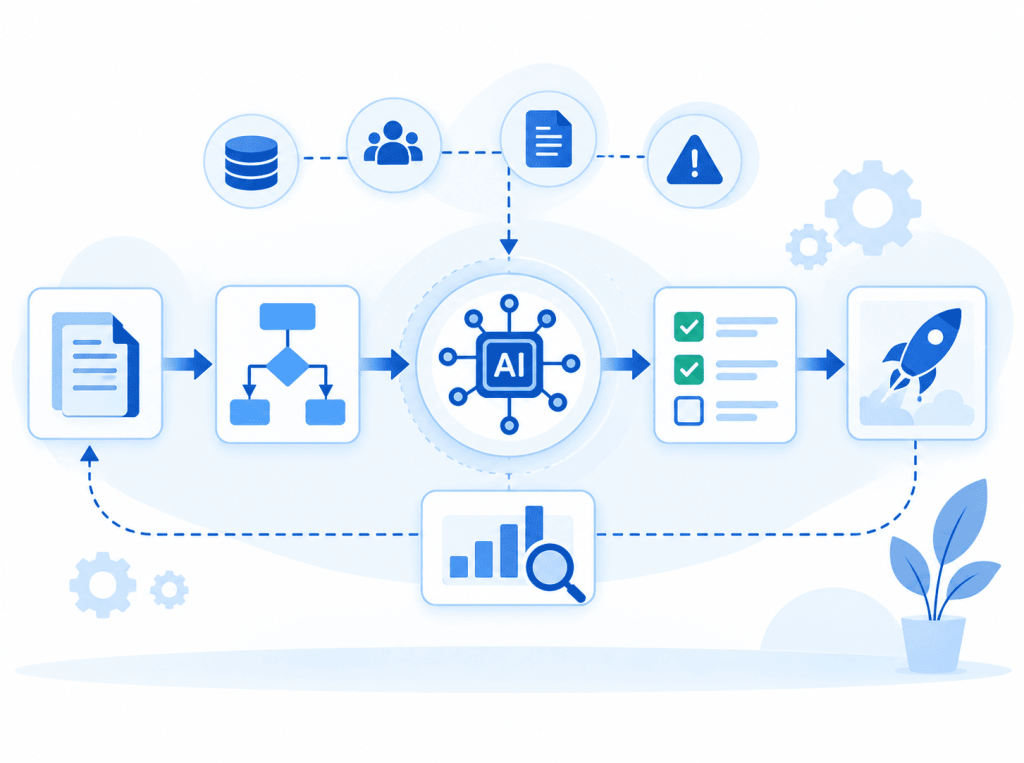
Discovery establishes how the work currently moves, who owns each decision and where delays, repetition or errors may arise. Pollysys then defines a limited initial scope with agreed inputs, actions, controls, exceptions and evaluation measures. The workflow is built and tested away from uncontrolled live use wherever appropriate. Relevant users and owners review how it behaves, including what happens when information is missing or uncertain. Following approval, deployment is planned with documentation, access and support responsibilities. Evidence from operation can then inform refinement or a decision about whether another workflow deserves attention.
WHERE IT MAY HELP
These examples indicate suitable areas to investigate. Each requires assessment of information, permissions, exceptions, risk and human responsibility before implementation.
Classify incoming enquiries using approved criteria, gather relevant context and route each request to the right queue or person, with uncertain cases held for review.
Extract defined information, check required fields and prepare records or drafts for human review without treating model output as automatically complete or correct.
Coordinate invoice information, approval reminders, reconciliations or reporting preparation while preserving appropriate financial controls, authorised review and clear exception handling.
Enrich approved records, prepare follow-up tasks and assemble first drafts from agreed sources, leaving external communication and commercial decisions with authorised people.
Coordinate checklists, requests and reminders across responsible teams while ensuring access creation, employment decisions and sensitive information remain subject to approved controls.
Collect signals from approved systems, identify conditions requiring attention and notify the responsible owner without allowing automated remediation beyond explicitly authorised boundaries.
CONNECTED SUPPORT
If the right opportunity is not yet clear, AI Consultancy can assess readiness and priorities before anything is built. When an automation depends on wider technology improvements, Pollysys can also discuss Managed IT, Microsoft 365, AWS, Cloud Services or Cybersecurity. Each service remains optional and separately scoped.
CHOOSE A STARTING POINT
Bring one repetitive process, difficult hand-off or existing automation concern. Pollysys can help you consider its suitability, dependencies, risks and a proportionate next step.
A 12-point checklist to see where your team stands. No sales call required.
One-click link, emailed to you. No spam.
A short, no-pressure call. We'll tell you if we're not the right fit.