Endpoint Protection and Oversight
Assess device configuration, protection, updates and relevant alerting across the endpoints included in the agreed scope.
Strengthen protection, accountability and incident readiness across your people, identities, devices, cloud services and business information.
Cybersecurity protects the confidentiality, integrity and availability of the information and systems an organisation relies upon. The work covers more than software. Identities, devices, configuration, suppliers, working practices, backups and decision-making all influence the level of exposure. Pollysys helps UK organisations identify practical priorities and decide which controls are proportionate to their operations. An engagement may begin with a focused assessment, a recognised scheme such as Cyber Essentials, an immediate concern or a requirement to improve ongoing oversight. Findings should be explained in business terms, ranked by importance and assigned to accountable owners. No control removes every possibility of an incident, but a considered combination of prevention, visibility and preparation can reduce avoidable risk and support a more organised response.
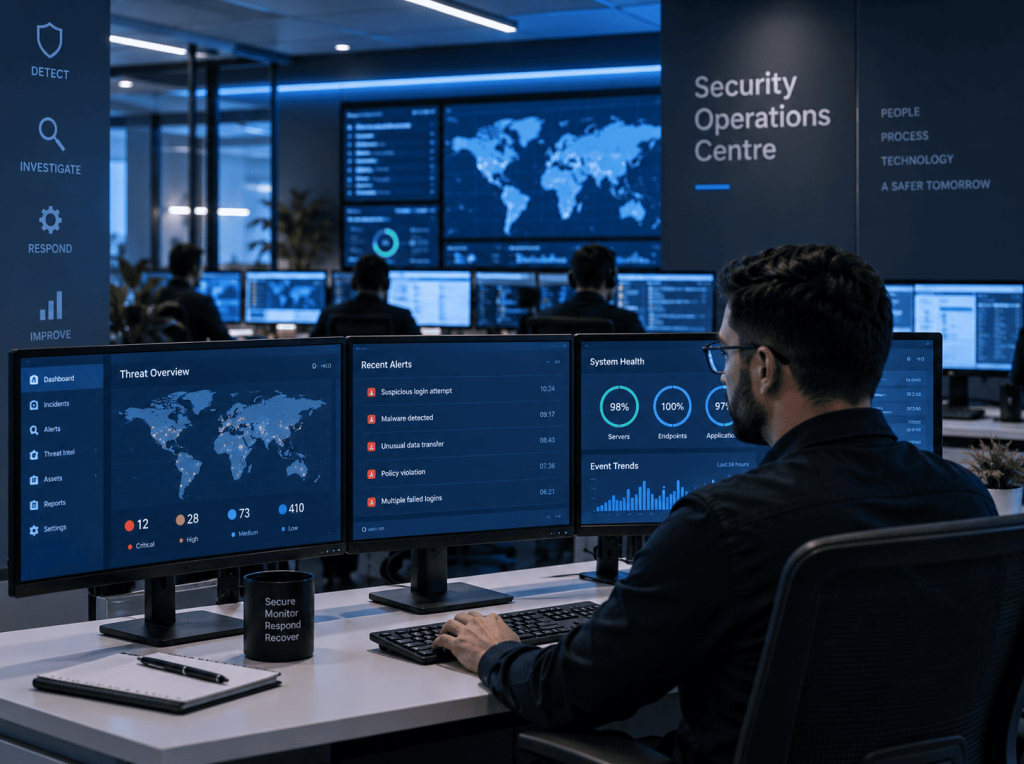
WHY POLLYSYS?
Begin with the risks that matter, address priority gaps and establish clear responsibilities for maintaining and testing controls.
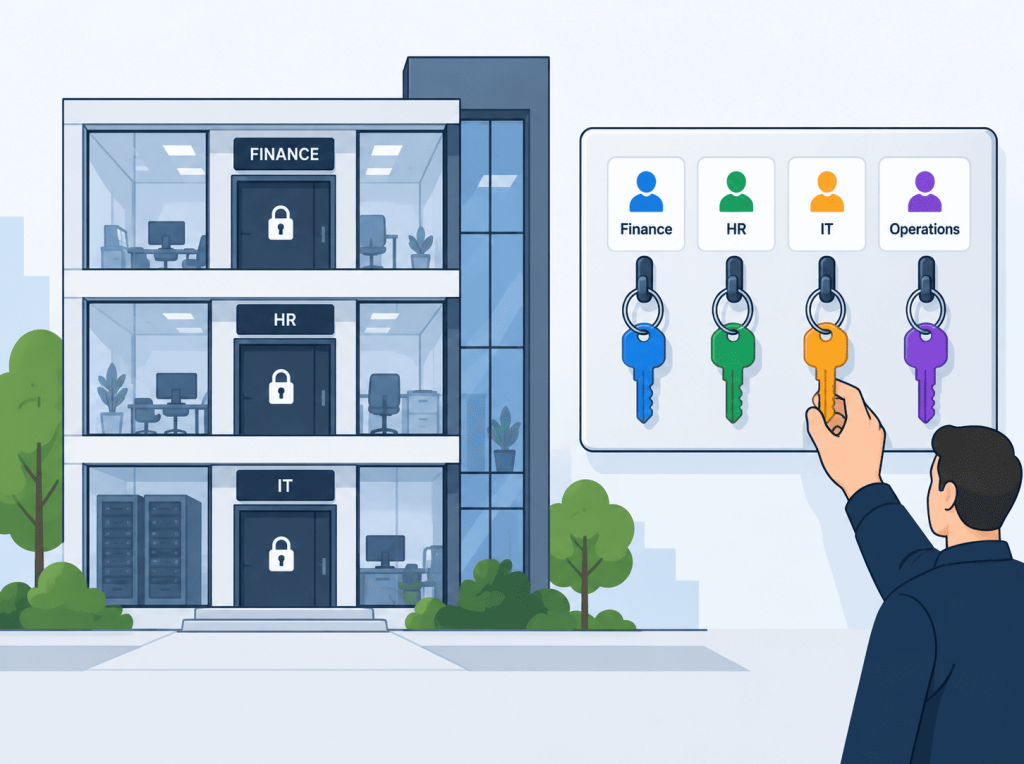
PRACTICAL PREVENTION
Weak authentication, unnecessary access, delayed updates and deceptive messages can create avoidable exposure. Pollysys can assess relevant controls and help prioritise improvements according to your environment and risk.
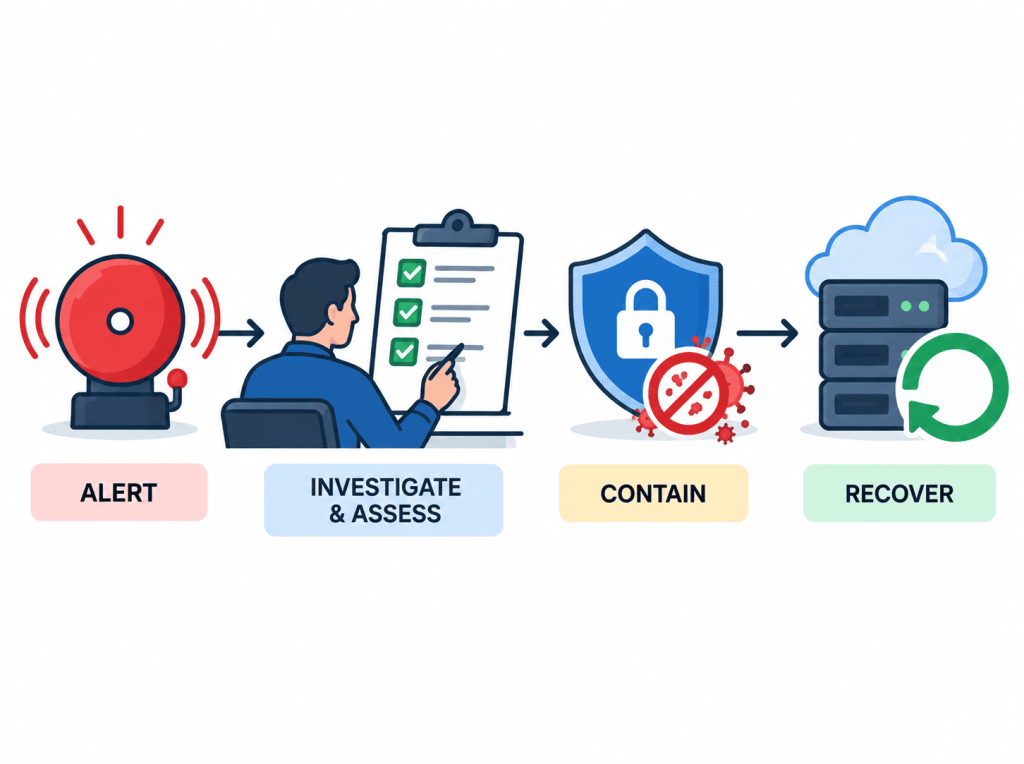
INCIDENT READINESS
Effective preparation combines appropriate visibility with documented decisions about escalation, containment, communication and recovery. The exact arrangements must reflect the services monitored, available evidence, response hours and responsibilities agreed.
OUR APPROACH
Effective cybersecurity begins with understanding what your organisation depends upon, where meaningful exposure exists and which safeguards are already in place. Pollysys reviews identities, devices, information, cloud services, suppliers and working practices before prioritising improvements according to risk and operational impact. Controls are designed in layers so one weakness does not leave the organisation entirely exposed. Preparation for Cyber Essentials and emerging AI-enabled threats is considered within the wider security plan, without presenting certification or technology as a guarantee that incidents cannot occur.
Controls should address meaningful exposure rather than create an impressive list of products. Pollysys considers business impact, existing safeguards, available evidence and cost before recommending what deserves attention first.
POTENTIAL BENEFITS
Appropriate authentication, access, device and update controls can reduce common weaknesses when they are correctly implemented and maintained.
Defined roles, escalation routes and response steps help teams understand what to do when suspicious activity or disruption occurs.
Documented controls and review records can support conversations with clients, assessors and insurers without overstating the organisation’s security position.
Priorities can be assessed against business impact, likelihood, existing capability and budget so resources address the most relevant needs first.
WHAT’S INCLUDED
Choose a focused security engagement or connect relevant controls within one clearly defined improvement programme.
Assess device configuration, protection, updates and relevant alerting across the endpoints included in the agreed scope.
Improve authentication, administrative access, permissions and review processes according to roles, risk and supported platforms.
Review backup coverage, retention, access, recovery objectives and testing responsibilities for important systems and information.
Define relevant visibility, alert ownership, escalation, containment, communication and recovery arrangements within an approved service scope.
Identify priority gaps, support proportionate remediation and organise evidence for assessment where the required capability is confirmed.
Help colleagues recognise, question and report phishing, impersonation, social engineering and other suspicious activity relevant to their work.
How We Work
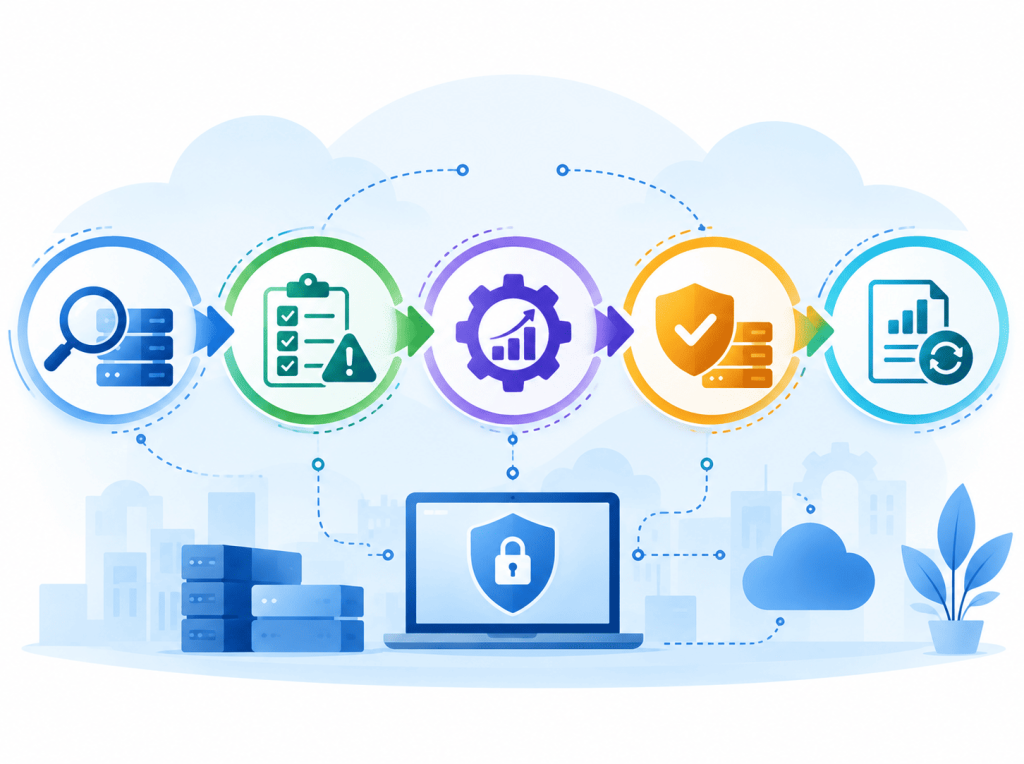
Two views of one structured cybersecurity engagement.
1. Understand — Gather evidence about systems, identities, devices, information, suppliers and current safeguards. 2. Prioritise — Rank findings by likely impact, exposure, urgency, dependency and practical effort. 3. Improve — Implement agreed controls with documented owners, testing and change considerations. 4. Prepare — Define escalation, response, communication, backup and recovery arrangements for relevant scenarios. 5. Review — Revisit controls and responsibilities as threats, systems, people and business requirements change.
WHO WE SUPPORT
The appropriate starting point depends on your information, systems, obligations, existing controls and current concerns.
Establish proportionate identity, device, backup and awareness controls without assuming a small organisation faces no meaningful risk.
Understand what happened, address immediate priorities and improve controls and preparedness based on the evidence available.
Prioritise practical safeguards for member, donor and operational information while recognising limited budgets and internal capacity.
Review controls and evidence when procurement, contracts or supply-chain expectations introduce defined cybersecurity requirements.
Understand relevant controls and organise accurate evidence without promising that any insurer will offer cover or accept a claim.
Add defined cybersecurity expertise while retaining clear boundaries between internal ownership, Pollysys responsibilities and specialist third parties.
CONNECTED TECHNOLOGY SERVICES
Cybersecurity controls need to work across users, devices, Microsoft 365, cloud platforms and day-to-day support. Pollysys can connect relevant workstreams while documenting the responsibility, scope and limitations of each. Specialist requirements should be assessed separately rather than assumed to be included within every managed service.
Pollysys can review the relevant requirements, identify gaps, support agreed remediation and help organise evidence where this capability is confirmed. Certification is awarded by an authorised certification body, not guaranteed by Pollysys. The organisation must maintain the controls and provide accurate information.
Incident support depends on the agreed service, technologies, response hours and responsibilities. Pollysys may assist with triage, containment, investigation coordination, recovery and reporting where included. Confirm the exact scope, escalation route and any specialist forensic or legal support required before relying on the service.
Backup status alone does not demonstrate recoverability. A suitable test should consider the systems and data covered, restore method, access, dependencies, recovery objectives and responsible people. Pollysys can help review or test agreed arrangements where this work falls within the approved scope.
The answer may involve devices, Microsoft 365, cloud platforms, applications, backups and suppliers. A review can document known locations, access and responsibilities, then identify questions requiring further evidence. Data-location statements should be checked against current configuration and provider contracts.
Not every organisation needs the same tools or service level. The appropriate approach depends on information, systems, contractual requirements, exposure and internal capability. A focused assessment can distinguish essential improvements from controls that add cost without addressing a meaningful priority.
START WITH CLARITY
Discuss your current concerns, existing controls and intended outcome. Pollysys can help define whether you need a focused assessment, remediation plan, certification preparation or ongoing cybersecurity support.