FOR SMALL BUSINESSES

Practical Technology Solutions for Small Businesses.

Bring everyday IT, cybersecurity, automation, AI and digital growth into one practical plan shaped around your business, people and priorities.

Talk to us

We'll reply within one working day.

THE CHALLENGE

When Technology Becomes Another Job to Manage

Small-business owners and managers often carry responsibility for technology without having time to manage it properly. A device problem interrupts delivery, a new starter needs access, a suspicious message creates uncertainty and another manual task takes time away from customers. Individual tools may work, yet nobody owns how they connect or what should improve next. Pollysys helps bring those decisions into one understandable plan. The starting point might be unreliable support, Microsoft 365 administration, security concerns, repetitive work, unclear AI opportunities or weak online visibility. Instead of assuming every organisation needs the full catalogue, we identify the immediate priority, the dependencies around it and the next proportionate step. The aim is clearer ownership and technology that supports the business without requiring the owner to become its unofficial technical department.

When Technology Becomes Another Job to Manage

WHY POLLYSYS

Joined-up Technology Support Without Building a Department

Small businesses rarely need a large internal technology function, but they do need someone to understand the whole picture. Pollysys can connect operational support, security, cloud tools, automation, AI and digital growth around agreed business priorities. You retain the relationships and knowledge inside your organisation; we provide defined expertise and accountability where it adds value. The exact combination depends on your existing suppliers, team, systems, budget and appetite for change.

What Small Businesses Need From a Technology Partner

One Connected View

Understand how support, security, Microsoft 365, cloud tools, automation and growth activity affect one another before making isolated decisions.

Costs Explained Upfront

Compare proposed work, licence requirements and ongoing responsibilities before committing, with assumptions and exclusions made visible.

Senior, Understandable Guidance

Discuss priorities with experienced people who explain choices in business language and make clear who owns each next action.

Proportionate Recommendations

Adopt what suits the organisation’s needs now, defer what is premature and revisit decisions when circumstances change.

WHERE WE HELP

Five Priorities One Technology Plan Can Address

These priorities are often connected. Unclear technology ownership can weaken security, repetitive processes can limit capacity, and disconnected marketing activity can make growth harder to manage. Addressing one issue may therefore reveal a dependency elsewhere. Pollysys helps you separate immediate operational needs from improvements that can be planned later. Each recommendation considers the value, risk, cost, effort and ownership involved, allowing your business to begin with a focused priority while maintaining a clearer view of the wider technology plan.

  • Create clearer support routes for users, devices, access, Microsoft 365, backup and routine maintenance. The solution may include Managed IT or Microsoft 365 services, but its purpose is to reduce uncertainty around day-to-day technology ownership.

PRACTICAL AI

Practical AI Starts With a Useful Problem

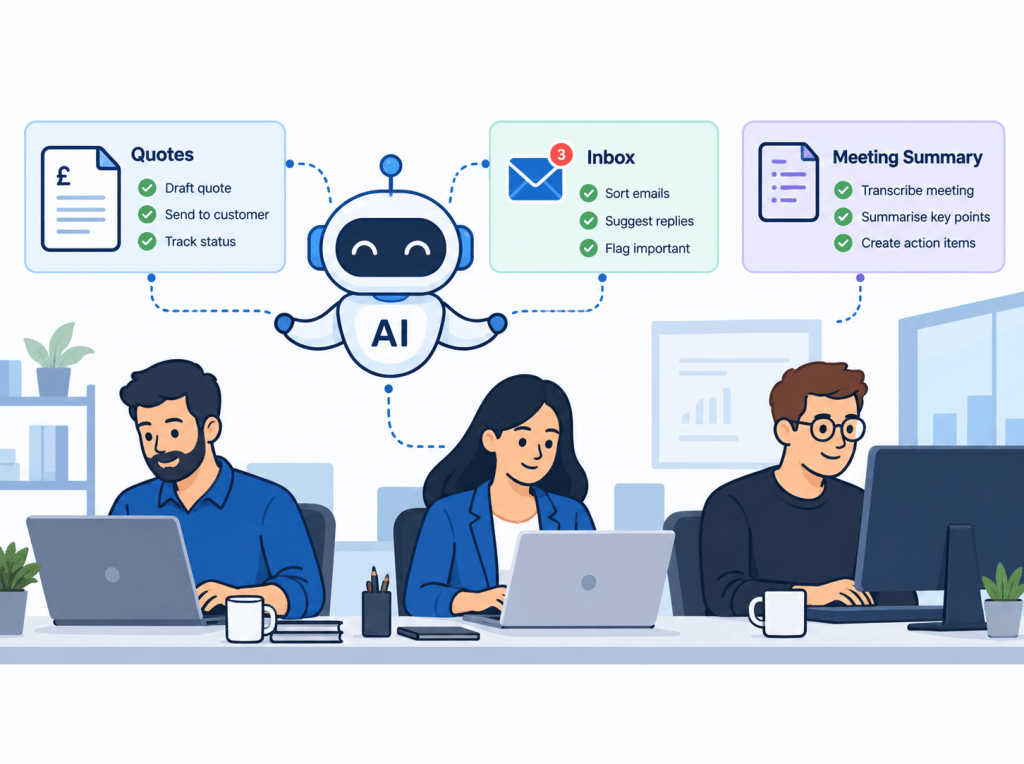
A small team does not need an enterprise-scale AI programme to explore a worthwhile opportunity. It needs a clearly defined task, suitable information, accountable ownership and a realistic way to judge value. Pollysys can help examine opportunities such as drafting routine material, organising enquiries, retrieving approved knowledge or supporting internal administration. Any workflow that influences customers, money, access or important decisions should include appropriate permissions, review and exception handling. We remain equally willing to recommend preparation first when the process, data or safeguards are not ready.

Practical AI Starts With a Useful Problem

GETTING STARTED

A Clear Route From Review to Improvement

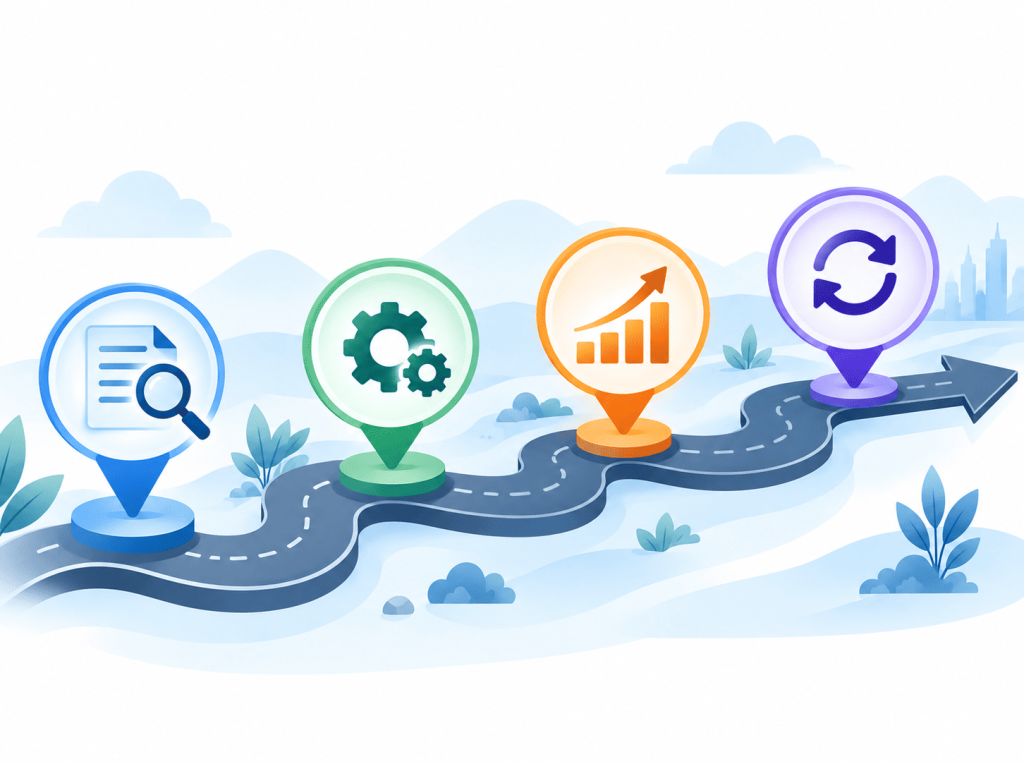
Weeks 1–2 → 3–6 → 7–12 → Ongoing

Weeks 1–2 — Understand the Starting Point Document the people, systems, suppliers, licences, known problems and business priorities relevant to the agreed review. Confirm responsibilities and identify information still required. Weeks 3–6 — Address Priority Foundations Plan and complete approved high-priority work, which may concern access, devices, backups, Microsoft 365, documentation or another immediate dependency. Weeks 7–12 — Deliver One Visible Improvement Choose a manageable improvement such as a support process, controlled automation or collaboration change. Define what success means and review the evidence before expanding. Ongoing — Review and Adapt Maintain the agreed operating arrangement and revisit risks, costs, performance and future opportunities at a suitable cadence.

Weeks 1–2 → 3–6 → 7–12 → Ongoing

CONNECTED OUTCOMES

Three Connected Outcomes for a Stronger Business

Use one outcome as the starting point or connect them through a wider plan when the dependencies justify it.

MAINTAIN

Create Clearer Technology Ownership

Give users a defined route for support and establish responsibility across devices, access, Microsoft 365, backup, maintenance and suppliers.

Create Clearer Technology Ownership
Strengthen Practical Resilience

PROTECT

Strengthen Practical Resilience

Prioritise appropriate security controls, backup arrangements, incident responsibilities and evidence according to the information and systems the business relies upon.

GROW

Release Capacity for Progress

Reduce suitable repetitive work, explore well-governed AI and improve relevant digital journeys so the team can focus more attention on customers and delivery.

Release Capacity for Progress

Begin With the Priority That Matters Most

You do not need to diagnose the technical answer before speaking with us. Start with the operational problem, risk or missed opportunity that concerns you most.

POTENTIAL OUTCOMES

What Better Technology Management Can Enable

More Time for Core Work

Clearer support and carefully chosen automation can reduce avoidable administration and interruptions, depending on the processes and scope addressed.

More Understandable Technology Costs

Documented licences, suppliers, projects and responsibilities provide a clearer basis for budgeting and deciding where further investment is justified.

Better Prepared Business Conversations

Organised evidence and named ownership can support client, insurer or assessor questions without guaranteeing that any third party will accept the response.

Fewer Repeated Manual Steps

Suitable workflow changes can reduce duplication and missed handovers while retaining human judgement where the consequences require it.

DIFFERENT STARTING POINTS

Different Businesses Need Different Starting Points

Growth Has Outpaced the Setup

New starters, shared access and informal support are becoming difficult to manage. Begin by mapping users, devices, Microsoft 365, suppliers and immediate operational risks, then define which responsibilities need ongoing ownership.

Administration Is Limiting Capacity

Important information is repeatedly copied, chased or reconstructed across disconnected systems. Begin with process mapping, select one worthwhile workflow and measure the effect before considering broader automation or AI.

A Security Concern Changed Priorities

A suspicious message, near miss or client question has exposed uncertainty. Begin with a proportionate security review, address priority gaps and document responsibilities for access, backup, escalation and future oversight.

See How a Joined-up Solution Could Work

SUCCESS STORY

See How a Joined-up Solution Could Work

A growing professional firm could begin with unclear support ownership and inconsistent access for new starters. A documented review might establish the immediate IT and security priorities, followed by a controlled onboarding workflow that connects approved user details, access tasks and human sign-off. The intended value would be clearer handovers, fewer avoidable omissions and a more consistent employee experience. This example explains a possible approach only; it is not a client result.

WORKING TOGETHER

Designed Around Small-business Realities

Small businesses need technology that supports daily work without creating unnecessary cost, complexity or dependence on one person. Pollysys begins with the systems, supplier relationships and working practices already in place before recommending change. Suitable tools are retained where they continue to meet the need, while gaps and priorities are addressed in a practical order. Costs, responsibilities and limitations remain visible throughout the engagement, allowing the technology plan to adapt as the business, team and operational requirements change.

  • Understand existing tools, knowledge and supplier relationships before recommending change. Retain suitable systems, improve connections where practical and replace technology only when the evidence and business case justify it.

KEEP EXPLORING

Explore the Right Next Step

Discuss Your Priorities

Talk through the business problem, current setup and desired outcome before deciding which capability or engagement is appropriate.

Understand Available Capabilities

Review the specialist services that may support your chosen small-business solution, from managed IT to AI and digital growth.

Read Practical Guidance

Explore articles and resources designed to make technology, security, AI and digital growth decisions easier to understand.

FAQs

Do we need an internal IT person?

Not necessarily. The answer depends on your size, complexity, support demand and need for day-to-day physical presence. Pollysys can provide an agreed external scope or work alongside an internal colleague. Responsibilities and escalation routes should be documented so important work does not fall between people.

What will a small-business solution cost?

Cost depends on the users, devices, systems, risks, service hours and project work involved. Pollysys should explain the proposed scope, recurring charges, licences, exclusions and optional work before commitment. Publish package or fixed-tier claims only after current pricing and eligibility have been approved.

Can you help with one priority only?

Yes, subject to fit and capability. A small business may begin with a Microsoft 365 concern, security review, migration, automation opportunity or SEO project. Starting with one defined priority can make ownership and measurement clearer. Other services should be introduced only when they support the chosen outcome.

Is AI excessive for a small business?

AI is useful only when a suitable problem, information and operating process exist. A focused assessment can identify worthwhile opportunities, required safeguards and preparation gaps. Sometimes the responsible recommendation is a small pilot; sometimes it is to improve the process or data before adopting an AI tool.

How do we decide where to start?

Begin with the problem causing the greatest operational impact, risk or lost capacity. Discovery should clarify the current situation, affected people, dependencies and desired outcome. Pollysys can then recommend a proportionate next step rather than assuming a full technology overhaul is required.

What if we already have an IT supplier?

Pollysys can work within a defined complementary scope, provide a review or support a planned transition where appropriate. Existing contracts, responsibilities, access and documentation should be understood first. Any handover should protect continuity and clearly state what remains with the current supplier during each stage.

Do we need technical knowledge to work with Pollysys?

No. Your role is to explain how the business works, where problems occur and what matters most. Pollysys should translate technical findings into understandable options, risks and decisions. You should always be able to question a recommendation and know who is responsible for the next action.

Is our information safe when using AI tools?

Safety depends on the tool, account, configuration, information used, permissions and workflow design. Before implementation, review data sensitivity, provider terms, retention, access and human oversight. No AI platform should be described as universally safe; the controls must match the specific use case and organisational requirements.

Can you take over an informal technology setup?

A structured transition can document users, devices, accounts, licences, suppliers, backups and known issues before responsibility changes. Pollysys should preserve useful knowledge, identify missing access and agree priorities without blaming the people who kept the earlier setup working. Timing and continuity depend on cooperation and available documentation.

Must we move everything to the cloud?

No. Workloads should remain, move or change according to business need, technical fit, risk, cost and responsibility. A mixture of cloud and retained systems may be appropriate. Pollysys can help assess options without treating cloud migration as the automatic answer for every application or organisation.

START WITH YOUR PRIORITY

Start With a Practical Conversation

Tell us what is taking time, creating uncertainty or holding the business back. We can help define the problem, identify relevant dependencies and recommend a proportionate route forward.