Volunteer Access Has Become Unclear
People have changed roles, but shared accounts and permissions have not kept pace. Begin by mapping identities, information and responsibilities, then establish an appropriate joiner, mover and leaver process.
Bring everyday IT, security, administration, automation and digital engagement into one practical plan shaped around your people, responsibilities and resources.
THE CHALLENGE
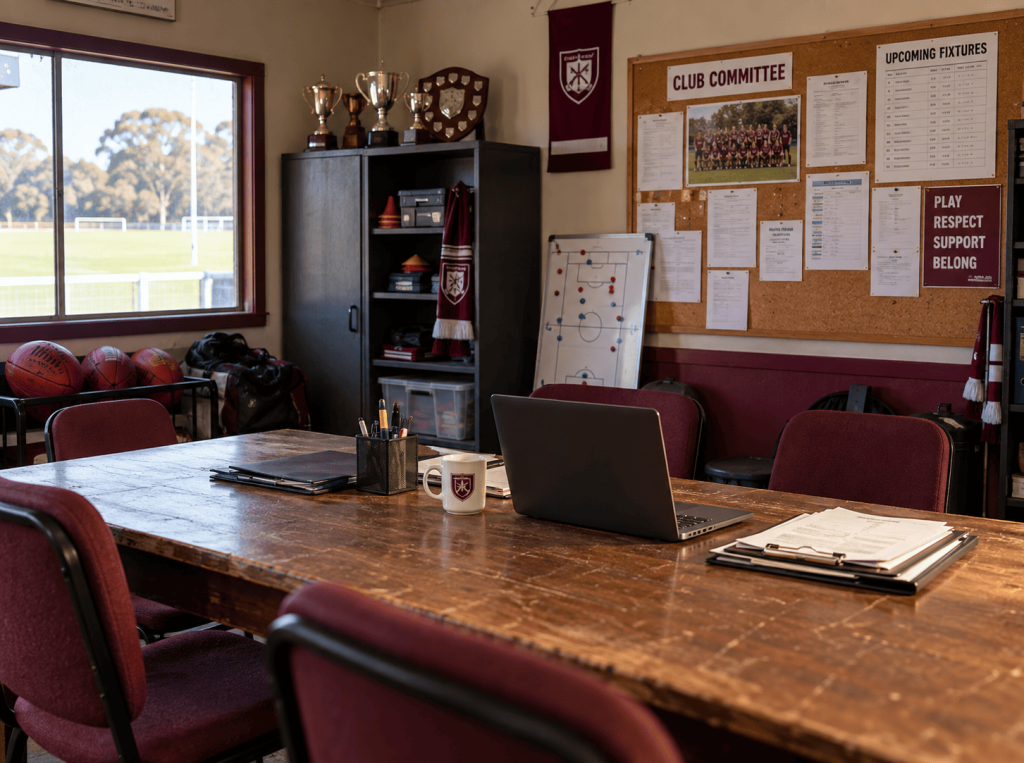
Sports clubs and charities often coordinate paid staff, volunteers, trustees, committees, members, donors or beneficiaries through technology that has evolved gradually. A shared inbox becomes the unofficial helpdesk, access remains with people who have changed roles, important knowledge sits in personal accounts and repetitive administration consumes time intended for the organisation’s purpose. The details differ. A sports club may be managing memberships, fixtures, facilities, events and communication with parents or participants. A charity may be balancing service delivery, fundraising, reporting, donor relationships and trustee oversight. Both need technology that is understandable, proportionate and maintainable when capacity is limited. Pollysys helps identify the immediate pressure, understand the people and information involved, and connect only the capabilities needed to improve the situation.
WHY POLLYSYS
Technology decisions in a club or charity affect more than employees. Volunteers need workable access, trustees need understandable oversight, members and supporters expect reliable communication, and sensitive information requires thoughtful handling. Pollysys can bring IT, Microsoft 365, security, automation, AI and digital engagement into one coordinated plan. The exact combination depends on your structure, existing suppliers, systems, budget, internal capability and responsibilities.
Understand how people, accounts, devices, information, suppliers and digital channels affect one another before making isolated technology decisions.
Prioritise changes by operational value, risk, effort and available capacity instead of assuming the largest project is the right answer.
Give staff, volunteers and decision-makers clear explanations, named actions and documentation they can understand without unnecessary technical language.
Define who approves, delivers, reviews and maintains each change so important responsibilities do not become lost between employees, volunteers and suppliers.
WHERE WE HELP
These priorities frequently overlap. Unclear account ownership can affect security, changing volunteer roles can disrupt continuity, and repetitive administration can reduce the time available for members, beneficiaries and community activity. Pollysys helps distinguish urgent operational needs from improvements that can be introduced in stages. Each recommendation considers available capacity, information sensitivity, governance responsibilities and the people expected to maintain the result. This creates a practical technology plan that supports the organisation without adding unnecessary complexity for staff, trustees, committees or volunteers.
Create clearer routes for support, accounts, devices, Microsoft 365, shared files and routine maintenance. The aim is dependable access and ownership for the people who need technology, including agreed arrangements for volunteers and changing roles.
RESPONSIBLE AI
AI may help with bounded activities such as organising enquiries, drafting routine communications from approved information, retrieving internal knowledge or supporting repetitive administration. Its suitability depends on the task, the information involved and the consequences of error. Work concerning beneficiaries, safeguarding, eligibility, payments, health, access or other consequential decisions needs especially careful assessment and meaningful human control. Pollysys can help define the opportunity, examine readiness and design proportionate safeguards before implementation. A recommendation to improve the process or information first is a valid outcome.

GETTING STARTED
1. Understand — Map the Current Position Document relevant people, roles, systems, suppliers, accounts, information and known difficulties. Include seasonal activity and volunteer turnover where these affect the agreed scope. 2. Prioritise — Agree What Matters First Compare needs by operational effect, risk, urgency, effort and dependency. Confirm decision-makers, owners and any specialist input required before work begins. 3. Improve — Deliver a Manageable Change Address approved foundations or implement one visible improvement. Test access, handovers and exception handling with the people who will operate the new arrangement. 4. Review — Learn and Adapt Assess evidence, document outstanding actions and decide whether to maintain, adjust or extend the solution through an agreed review.

CONNECTED OUTCOMES
Start with the outcome under greatest pressure or connect all three where a wider plan is justified.
SUPPORT
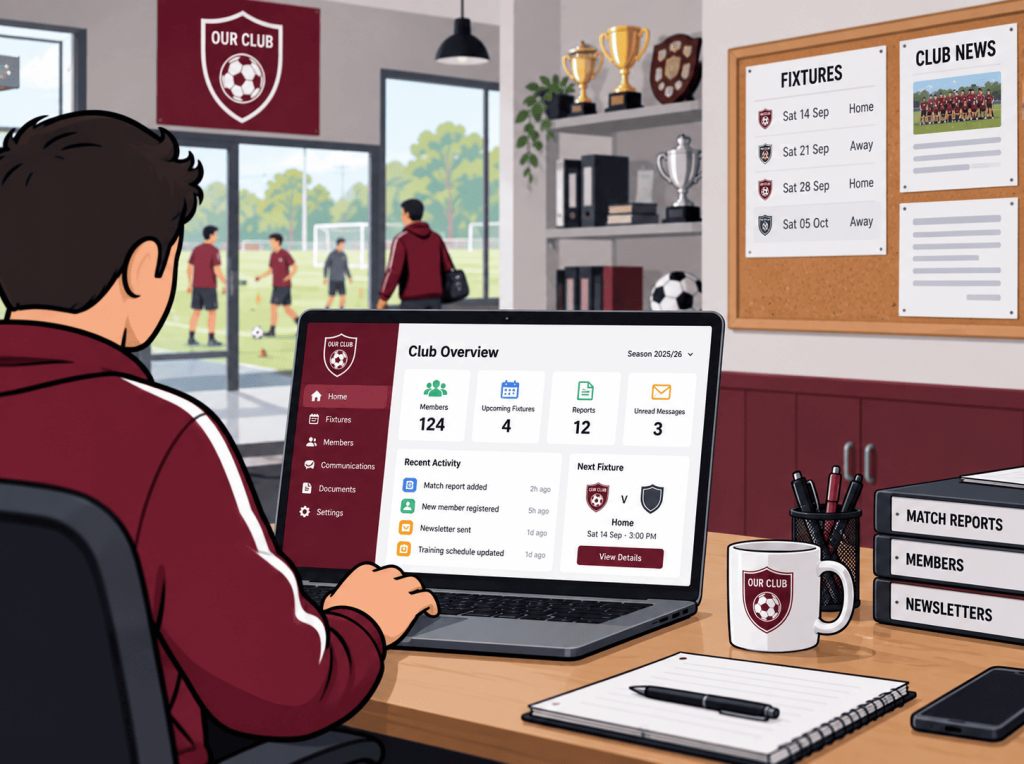
Give staff and volunteers defined support routes and establish responsibility across devices, accounts, Microsoft 365, shared information, maintenance and suppliers.
PROTECT
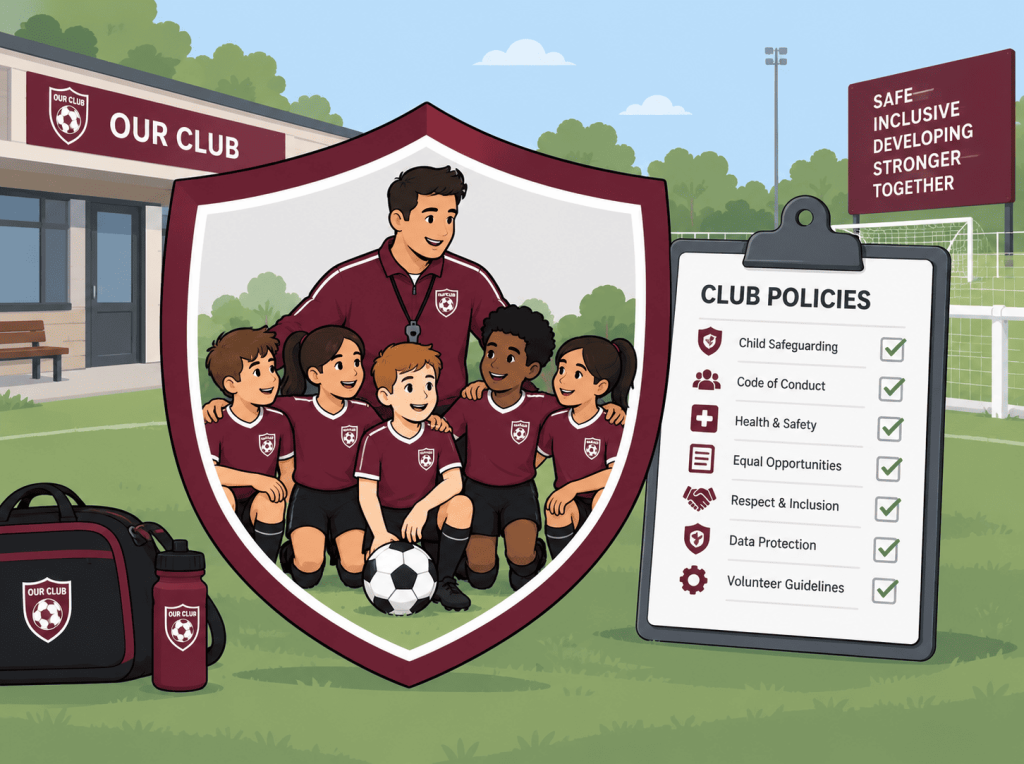
Prioritise appropriate access controls, backups, awareness, incident responsibilities and recovery arrangements according to the information and activities your organisation relies upon.
REACH
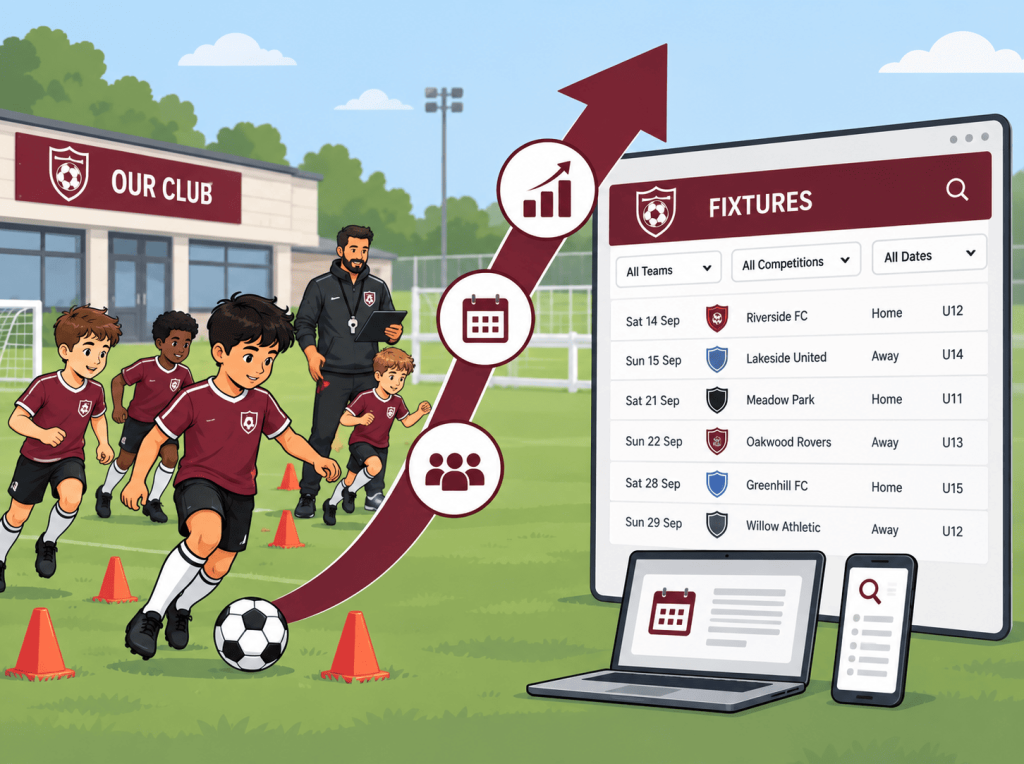
Reduce suitable administration and improve digital journeys so limited time can be directed towards participants, members, supporters, beneficiaries and organisational goals.
You do not need to diagnose the technical answer first. Tell us what is consuming capacity, creating risk or making responsibilities unclear.
GOVERNANCE & RESPONSIBILITY
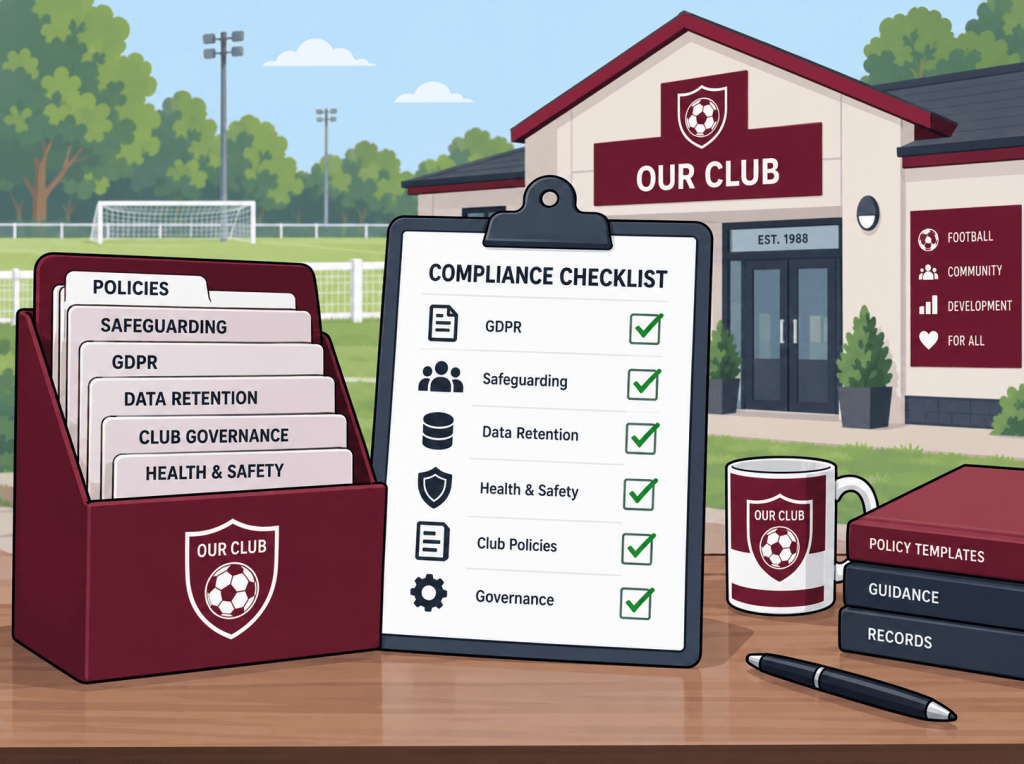
Sports clubs and charities may hold information relating to members, volunteers, donors, beneficiaries, employees, participants and families. Understanding where this information is stored, who can access it, why it is retained and how incidents are escalated helps turn governance responsibilities into manageable everyday practices. Pollysys can help your organisation review accounts, permissions, shared files, devices, backups and information-handling processes. We can also support clearer documentation and ownership, making it easier for trustees, committees, staff and authorised volunteers to understand their responsibilities. Technology alone cannot guarantee compliance or replace legal, safeguarding or specialist professional advice. Our role is to help establish practical technical controls and more visible operating processes that support the policies and responsibilities defined by your organisation.
POTENTIAL OUTCOMES
Clearer support and carefully selected automation can reduce avoidable administration, depending on the process, adoption and scope of work.
Documented accounts, access and ownership can make staff, volunteer, trustee or committee transitions easier to manage.
Clear records of systems, risks, suppliers and actions give authorised decision-makers a stronger basis for technology discussions and priorities.
Accurate information and clearer online routes can help audiences find relevant activities, services, campaigns or ways to support the organisation.
DIFFERENT STARTING POINTS
People have changed roles, but shared accounts and permissions have not kept pace. Begin by mapping identities, information and responsibilities, then establish an appropriate joiner, mover and leaver process.
Membership, event, enquiry or supporter information is repeatedly copied and chased. Begin with process mapping, select one suitable workflow and measure the result before expanding automation.
A suspicious message, lost device or insurer question revealed uncertainty. Begin with a proportionate review, address priority risks and document access, backup, escalation and recovery responsibilities.
SUCCESS STORY
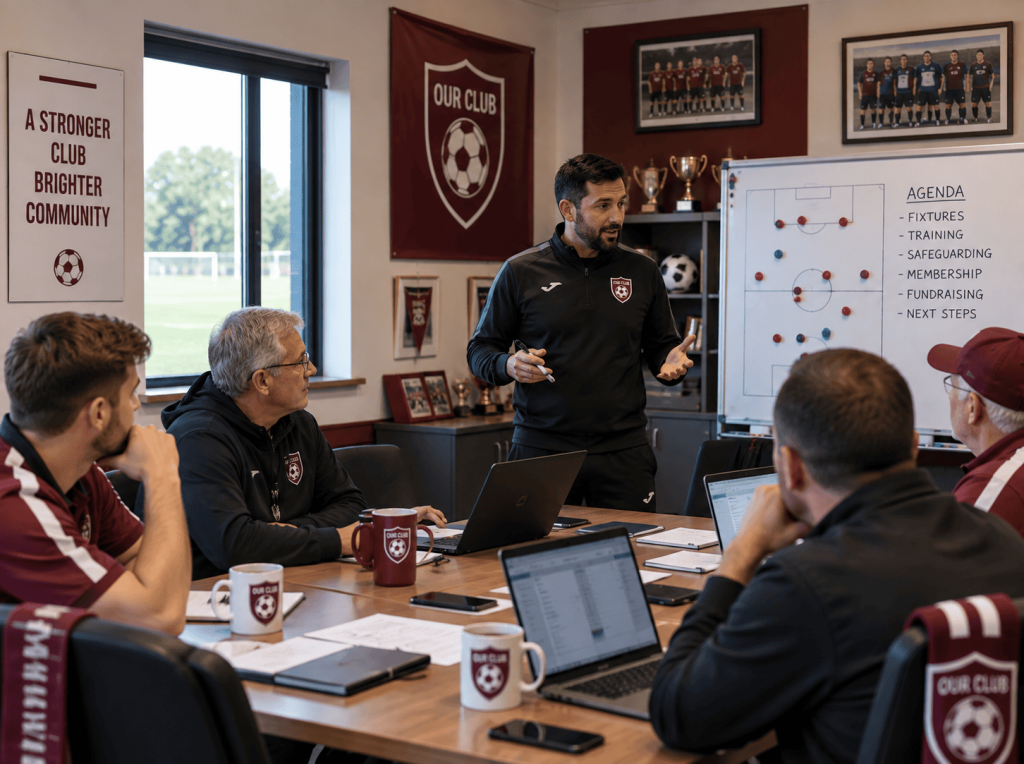
A community sports club could begin with membership enquiries arriving through several channels, unclear Microsoft 365 access and time-consuming volunteer handovers. A structured review might establish account ownership and priority security actions before introducing one controlled workflow to organise enquiries and route exceptions to the right person. The intended value would be clearer responsibility, less repeated administration and a more consistent response for members. This example describes a possible approach only; it is not a client result.
WORKING TOGETHER
Sports clubs and charities often operate through a changing combination of staff, volunteers, trustees, committees and external suppliers. Pollysys takes time to understand those relationships, existing knowledge and practical limitations before recommending changes. Technology plans are shaped around available budgets, seasonal activity, funding cycles and governance responsibilities. Useful systems and processes are retained, while ownership and boundaries are made clearer. This helps the organisation improve its technology without creating an administrative burden that staff or volunteers cannot realistically maintain.
Understand the contribution of staff, volunteers, trustees, committees and current suppliers before recommending change. Preserve what works and make responsibilities clearer without dismissing the organisation’s history.
KEEP EXPLORING
Talk through the organisation’s current pressures, people, systems and desired outcome before deciding what form of support is appropriate.
Review the specialist capabilities that may support your chosen solution, from managed IT and security to automation and digital engagement.
Explore articles that make technology, security, AI, automation and digital growth decisions easier to understand and discuss internally.
Pollysys can support organisations in either group where the requirement fits its capabilities. The solution should reflect each organisation’s structure, activities, information and decision-making arrangements. A volunteer-led club and a staffed charity should not receive identical recommendations simply because both operate with limited resources.
Yes, where this forms part of the agreed engagement. Access, guidance and support routes can be designed around different responsibilities and levels of technical confidence. The organisation should still appoint authorised decision-makers and maintain suitable processes when volunteers join, change roles or leave.
Cost depends on users, devices, systems, risks, required service hours and project work. Pollysys should explain scope, recurring charges, licences, exclusions and optional items before commitment. Confirm any charity pricing, discounts or packages before mentioning them publicly.
Pollysys can operate within a clearly defined complementary scope or support a planned transition where appropriate. Existing contracts, responsibilities, access and documentation should be understood first so work is coordinated and important tasks do not fall between suppliers.
It can provide identities, communication, collaboration and information-sharing tools, but the configuration must reflect roles, access needs, licensing and information sensitivity. Pollysys can help review the arrangement without assuming that every participant needs the same account or permissions.
Pollysys can assess relevant risks and help implement agreed controls within its confirmed scope. Priorities may include identities, devices, email, information, backups, awareness and incident responsibilities. No provider can promise that an organisation will never experience a cyber incident.
Possibly, when there is a useful task, suitable information, clear ownership and proportionate safeguards. AI should not be adopted simply because it is available. Work involving safeguarding, beneficiaries, eligibility, payments or other consequential decisions requires careful assessment and meaningful human oversight.
Potentially. The process, systems, information, permissions and exceptions must be understood first. A controlled pilot can test whether automation reduces repeated work and missed handovers without creating new risks. Final suitability depends on the specific workflow and platforms involved.
Technology may support controlled access, record handling, communication and escalation, but it does not replace safeguarding policy, trained people, judgement or specialist advice. Responsibilities and system requirements must be defined by the organisation and appropriate experts before any technology is configured.
No. Begin by understanding what already works, where risks or friction exist and which systems can be improved or connected. Replacement should follow a clear operational case, not a preference for new technology. Some limitations may still require a platform change.
START WITH YOUR PRIORITY
Tell us what is consuming capacity, creating uncertainty or limiting the experience of your people. We can help define the problem and identify a proportionate route forward.