Onboarding Has Become Inconsistent
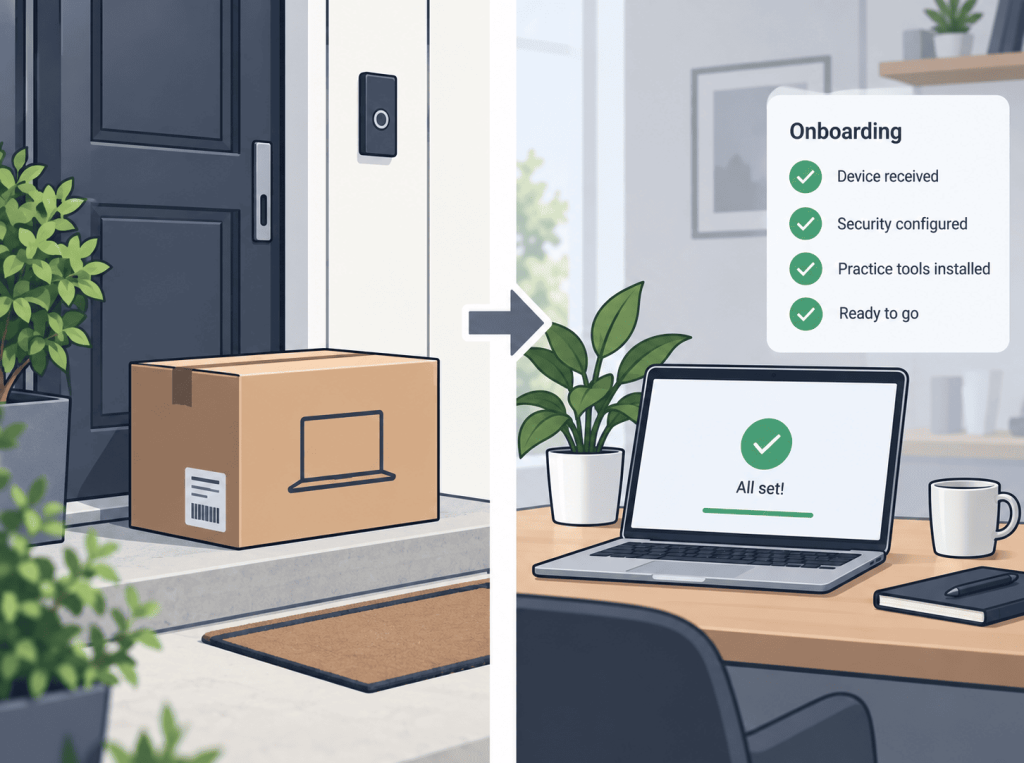
New starters wait for accounts, equipment or permissions. Begin by mapping roles, devices, systems and approvals, then establish a repeatable onboarding and access process.
Connect support, secure access, collaboration, cloud tools and automation around the way your remote or hybrid team actually works.
THE CHALLENGE
Remote and hybrid work can function well until an account fails, a new starter lacks access or an important file sits in the wrong place. Without a shared office, unclear responsibilities become harder to work around. People may rely on personal devices, inconsistent connections, duplicated documents and informal support through messages or calls. Pollysys helps bring these moving parts into one understandable plan. We look at how people join, access systems, collaborate, request support and protect information across locations. The starting point might be Microsoft 365, device management, cloud access, cybersecurity, repetitive administration or unclear technology ownership. Rather than assuming every distributed team needs the same stack, we identify the operational pressure, its dependencies and a proportionate route forward.

WHY POLLYSYS
Distributed teams need consistent support without pretending every person, device or location is identical. Pollysys can connect user support, Microsoft 365, identity, cloud services, security and automation around agreed working practices. Your organisation retains its internal knowledge and decisions; we provide defined expertise and accountability where it adds value. The right arrangement depends on team size, locations, devices, systems, suppliers, working hours and internal capability.
Understand how identities, devices, support, Microsoft 365, cloud tools and security affect one another across locations before making isolated decisions.
Establish shared foundations while allowing proportionate differences for roles, devices, locations and working patterns.
Discuss priorities with experienced people who explain choices clearly and identify who owns every next action.
Adopt what suits the team now, defer what is premature and revisit decisions as people and working arrangements change.
WHERE WE HELP
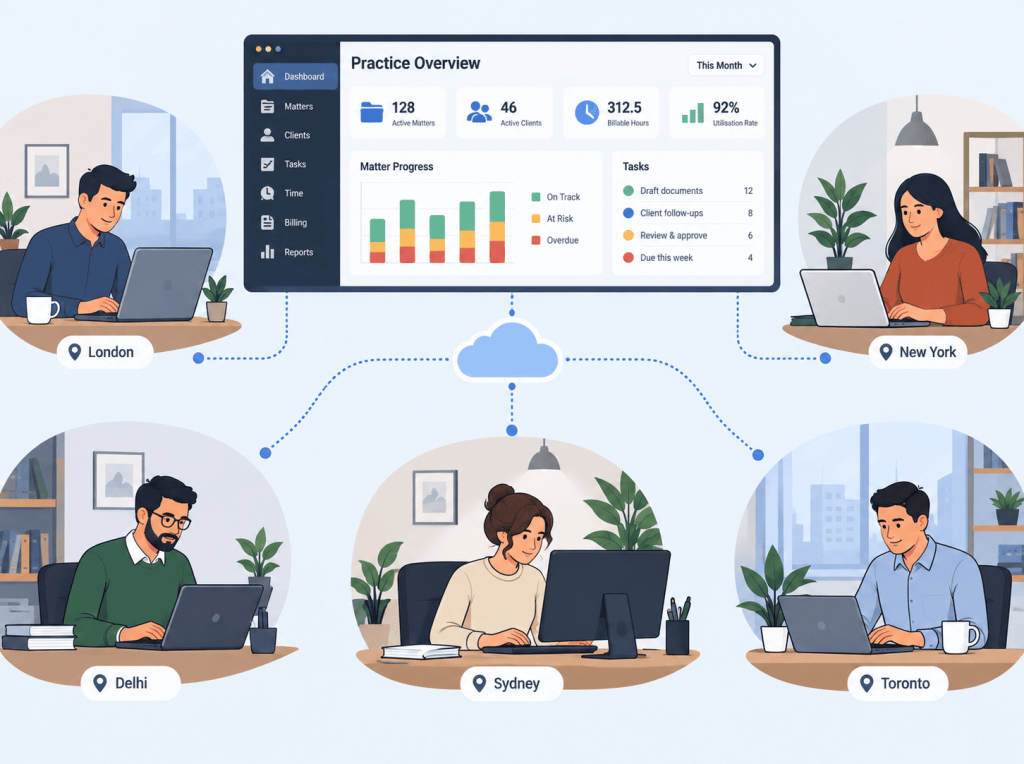
These priorities work together. Unclear support routes can leave remote employees waiting, inconsistent access controls can increase risk, and fragmented collaboration can create repeated coordination across locations and time zones. Pollysys helps identify the most urgent operational pressure and the dependencies surrounding it. Recommendations consider user roles, devices, identities, connectivity, cloud platforms and available internal support. This creates a practical plan for more consistent remote work while keeping responsibilities, security controls and arrangements for disruption or organisational change clearly documented.
Create one understandable route for technical help across locations. Define what is supported, how issues are raised, who responds and when another supplier or internal owner must become involved.
REMOTE-WORKING FOUNDATIONS
Productive remote work depends on more than video calls. People need reliable identities, appropriate devices, secure access, understandable collaboration spaces and a clear route for support. Pollysys can help review how Microsoft 365, cloud services, endpoints, permissions and working practices fit together across locations. We can then prioritise weaknesses, document responsibilities and improve the foundations without forcing unnecessary platform changes. The purpose is a more consistent working environment that remains manageable as people join, move, leave or change how they work.
GETTING STARTED
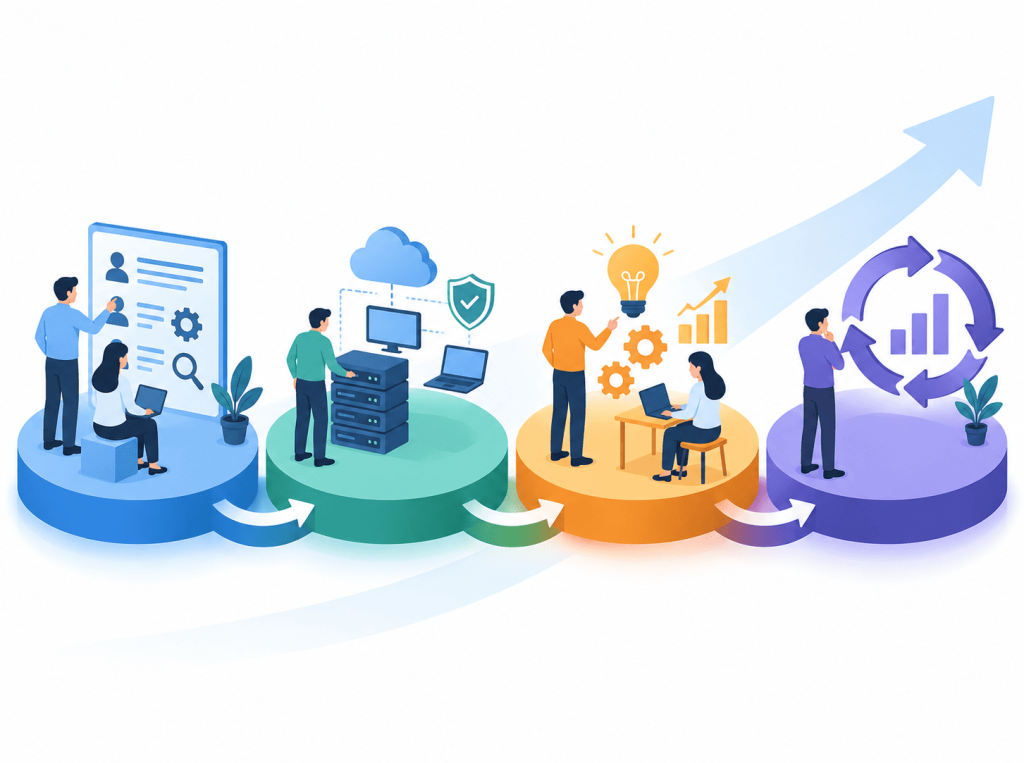
Weeks 1–2 — Understand the Starting Point Document the people, systems, suppliers, licences, known problems and organisation priorities relevant to the agreed review. Confirm responsibilities and identify information still required. Weeks 3–6 — Address Priority Foundations Plan and complete approved high-priority work, which may concern access, devices, backups, Microsoft 365, documentation or another immediate dependency. Weeks 7–12 — Deliver One Visible Improvement Choose a manageable improvement such as a support process, controlled automation or collaboration change. Define what success means and review the evidence before expanding. Ongoing — Review and Adapt Maintain the agreed operating arrangement and revisit risks, costs, performance and future opportunities at a suitable cadence.
CONNECTED OUTCOMES
Use one outcome as the starting point or connect them through a wider plan when the dependencies justify it.
CONNECT
Give users a defined support route and establish responsibility across identities, devices, Microsoft 365, cloud access, maintenance and suppliers.
PROTECT
Prioritise appropriate security controls, backup arrangements, incident responsibilities and evidence according to the information and systems the organisation relies upon.
IMPROVE
Reduce suitable repetitive work and improve handovers so distributed colleagues can spend more time on delivery and work requiring human judgement.
You do not need to diagnose the technical answer before speaking with us. Start with the operational problem, risk or missed opportunity that concerns you most.
SECURE REMOTE WORKING
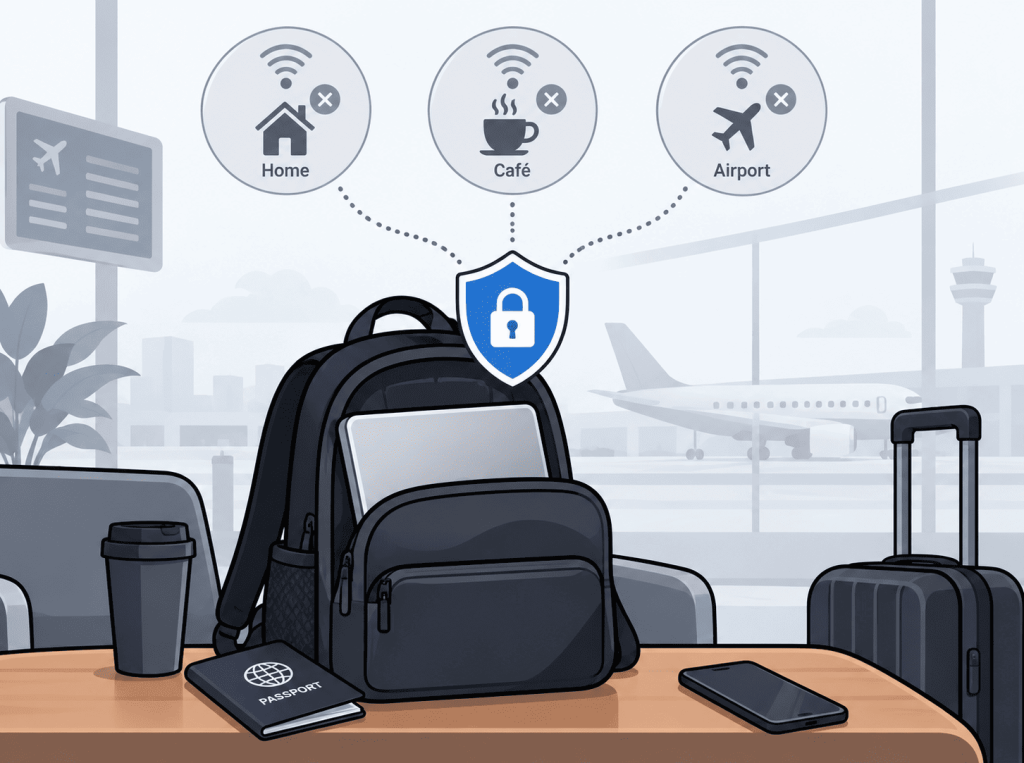
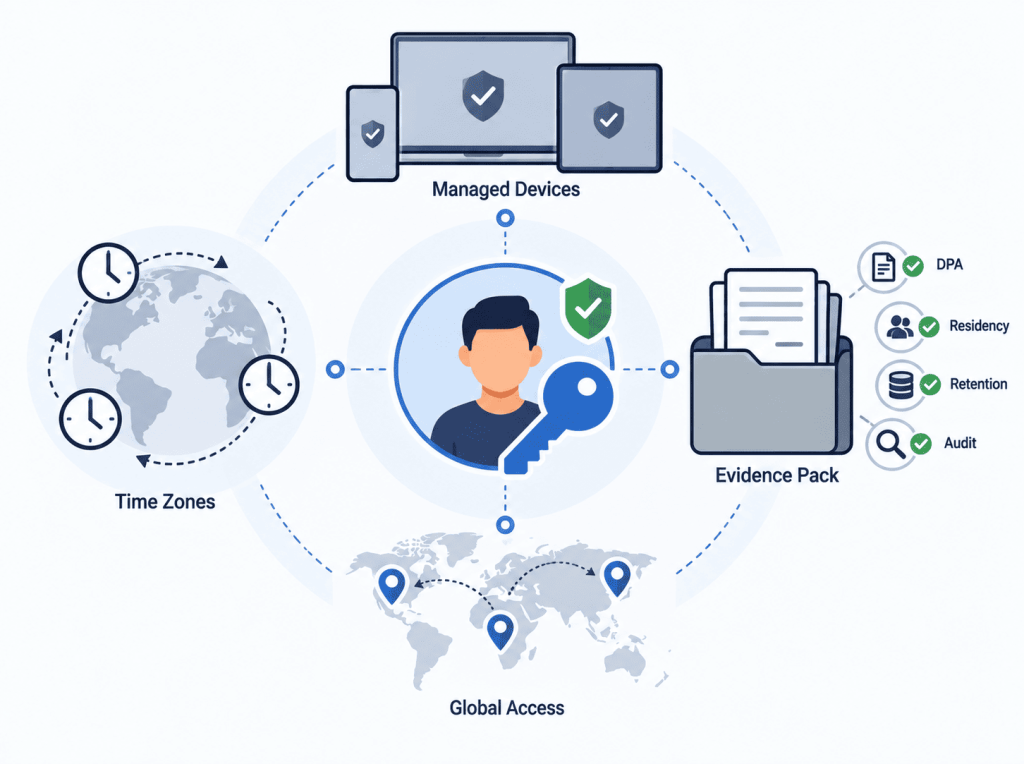
Remote working extends access beyond a single office, so identities, devices and permissions need consistent oversight. Pollysys can help review how users sign in, which devices reach organisational information, how access is approved and what happens when somebody changes roles or leaves. The appropriate solution may include stronger authentication, managed devices, role-based permissions, documented onboarding and offboarding, backup arrangements and clearer incident escalation. Controls should reflect the information involved, the organisation’s risks and the platforms already in use. No configuration can eliminate every threat. The objective is to reduce avoidable exposure, improve visibility and make security responsibilities easier to understand across a distributed team.
POTENTIAL OUTCOMES
Defined accounts, permissions and device arrangements can make approved systems easier to access across locations and working patterns.
People know where to request help, what is covered and who owns escalation when another supplier must become involved.
Documented joiner, mover and leaver steps can reduce missed access tasks as people and responsibilities change.
Suitable workflow changes can reduce duplicated updates and repeated coordination while retaining human review where consequences matter.
DIFFERENT STARTING POINTS
New starters wait for accounts, equipment or permissions. Begin by mapping roles, devices, systems and approvals, then establish a repeatable onboarding and access process.
Files, messages and updates are spread across tools. Begin by defining where work should live, improve agreed conventions and automate only the repeated steps that justify it.
Personal devices, shared accounts or unclear permissions have exposed uncertainty. Begin with a proportionate review, address priority gaps and document access, escalation, backup and recovery responsibilities.
WHO WE SUPPORT
Remote work takes different forms. Pollysys adapts the technology approach to your locations, working patterns, existing systems and operational priorities.
Build clearer technology foundations for organisations designed around distributed working. Connect onboarding, identity, devices, collaboration and support without depending on a central office.
Create a more consistent working experience for people moving between offices and remote locations. Align access, communication, support and security while recognising legitimate differences between roles.
Support employees, contractors and project teams working across different locations. Establish clearer access, collaboration and offboarding processes around client work, shared information and changing assignments.
Help mobile employees reach approved systems and information from suitable devices. Plan support, access, connectivity and escalation around people who cannot rely on a permanent desk.
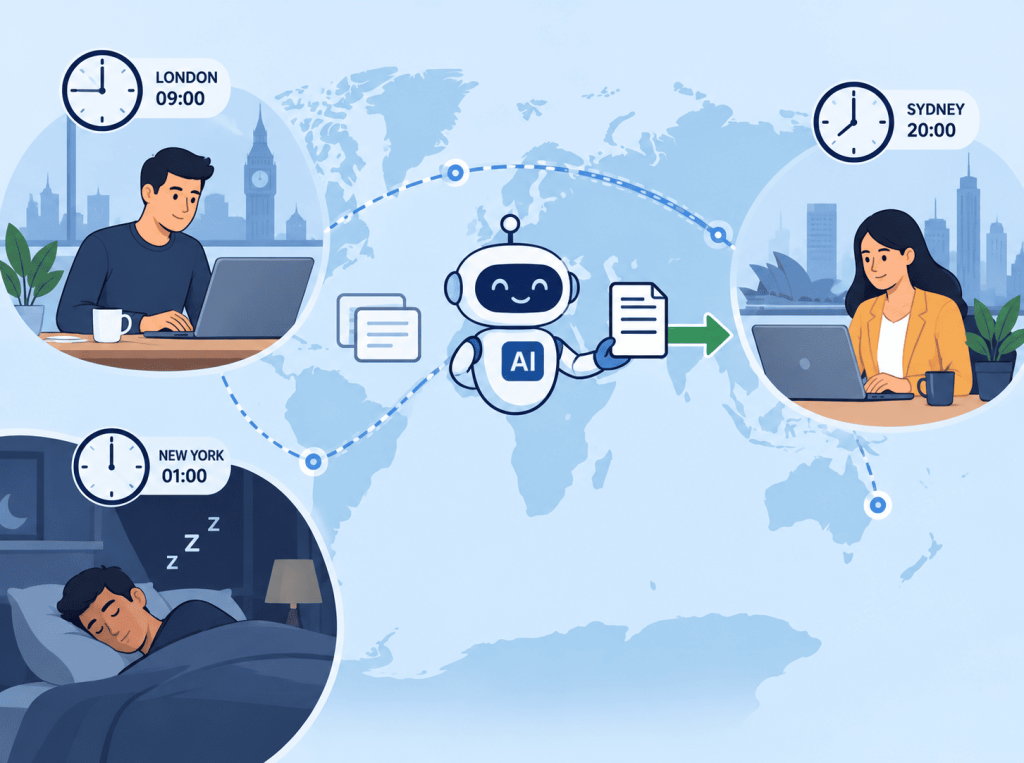
Coordinate identities, collaboration and asynchronous workflows across locations and time zones. Support coverage, residency and jurisdictional requirements must be assessed before any international arrangement is confirmed.
Support organisations adding new offices, hubs or regional teams. Standardise essential access, devices, collaboration and support while allowing appropriate flexibility for different roles and locations.
SUCCESS STORY
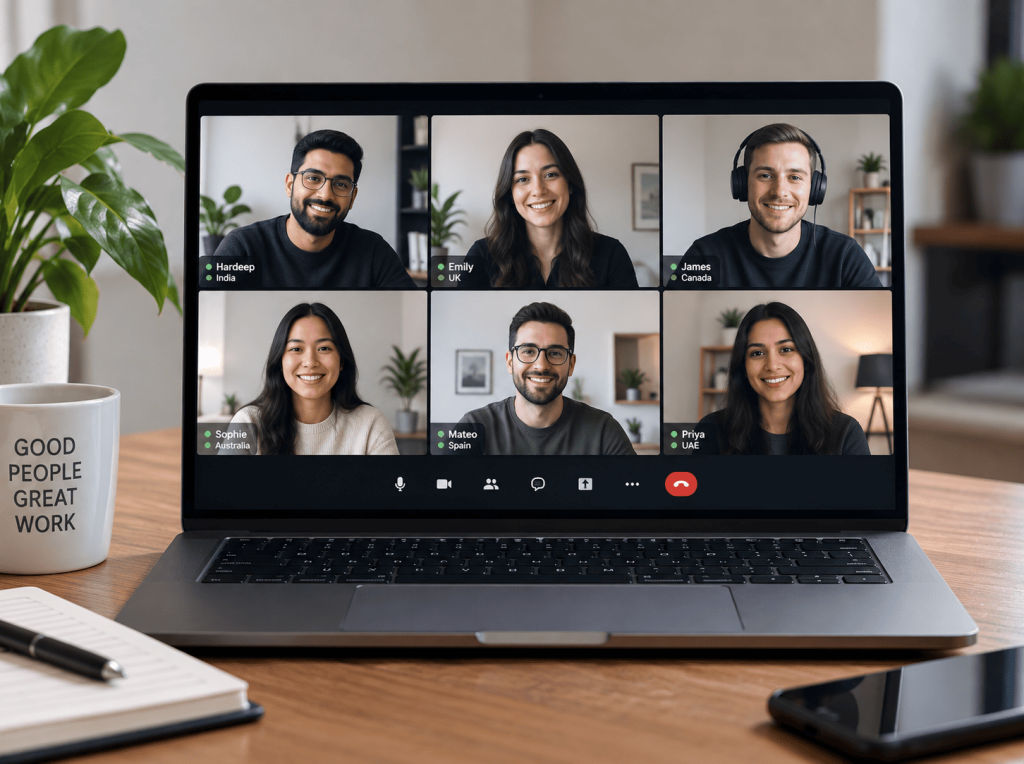
A distributed consultancy could begin with inconsistent onboarding, unclear support routes and access that remained active after role changes. A documented review might establish identity, device and Microsoft 365 priorities before introducing one controlled onboarding workflow with named approvals and human sign-off. The intended value would be clearer ownership, fewer avoidable omissions and a more consistent experience for remote colleagues. This example explains a possible approach only; it is not a client result.
WORKING TOGETHER
Distributed teams rely on technology that works consistently across different locations, devices, time zones and working patterns. Pollysys begins by understanding the tools, support arrangements and collaboration practices already in use before recommending changes. Suitable systems are retained while access, ownership and connections are improved where necessary. Costs, service boundaries and responsibilities remain visible throughout the engagement. As the organisation recruits, changes locations or adjusts its working model, the technology plan can develop without creating unnecessary disruption or placing avoidable pressure on remote employees.
Understand existing tools, working practices and supplier relationships before recommending change. Retain suitable systems, improve connections where practical and replace technology only when the evidence justifies it.
KEEP EXPLORING
Talk through the team’s working model, current setup, main pressure and desired outcome before deciding which engagement is appropriate.
Review the capabilities that may support your remote-team solution, from managed IT and Microsoft 365 to cloud, security and automation.
Explore practical guidance on technology, cybersecurity, cloud collaboration, automation and responsible AI for modern organisations.
Not necessarily. The answer depends on your size, complexity, support demand and need for day-to-day physical presence. Pollysys can provide an agreed external scope or work alongside an internal colleague. Responsibilities and escalation routes should be documented so important work does not fall between people.
Cost depends on the users, devices, systems, risks, service hours and project work involved. Pollysys should explain the proposed scope, recurring charges, licences, exclusions and optional work before commitment. Publish package or fixed-tier claims only after current pricing and eligibility have been approved.
Potentially, subject to the agreed service area, working hours, systems and support model. Pollysys can define remote support and escalation routes for distributed users. Requirements for physical visits, local device handling or international coverage must be confirmed before they are promised in the published offer.
AI is useful only when a suitable problem, information and operating process exist. A focused assessment can identify worthwhile opportunities, required safeguards and preparation gaps. Sometimes the responsible recommendation is a small pilot; sometimes it is to improve the process or data before adopting an AI tool.
Begin with the problem causing the greatest operational impact, risk or lost capacity. Discovery should clarify the current situation, affected people, dependencies and desired outcome. Pollysys can then recommend a proportionate next step rather than assuming a full technology overhaul is required.
Pollysys can work within a defined complementary scope, provide a review or support a planned transition where appropriate. Existing contracts, responsibilities, access and documentation should be understood first. Any handover should protect continuity and clearly state what remains with the current supplier during each stage
No. Your role is to explain how the organisation works, where problems occur and what matters most. Pollysys should translate technical findings into understandable options, risks and decisions. You should always be able to question a recommendation and know who is responsible for the next action.
Safety depends on the tool, account, configuration, information used, permissions and workflow design. Before implementation, review data sensitivity, provider terms, retention, access and human oversight. No AI platform should be described as universally safe; the controls must match the specific use case and organisational requirements.
A structured transition can document users, devices, accounts, licences, suppliers, backups and known issues before responsibility changes. Pollysys should preserve useful knowledge, identify missing access and agree priorities without blaming the people who kept the earlier setup working. Timing and continuity depend on cooperation and available documentation.
No. Workloads should remain, move or change according to organisation need, technical fit, risk, cost and responsibility. A mixture of cloud and retained systems may be appropriate. Pollysys can help assess options without treating cloud migration as the automatic answer for every application or organisation.
START WITH YOUR PRIORITY
Tell us what is taking time, creating uncertainty or holding the organisation back. We can help define the problem, identify relevant dependencies and recommend a proportionate route forward.